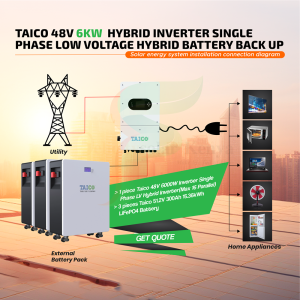
The Complete Guide to Off-Grid Solar Systems: A Sustainable Energy Solution for Kenya
An off-grid solar system is a solar power setup that operates independently of the national electricity grid. Unlike grid-tied solar systems that are connected to the power grid, off-grid solar systems generate, store, and supply energy exclusively from solar power. These systems typically consist of solar panels, batteries, charge controllers, and an inverter, all working together to provide electricity to homes or businesses without needing a connection to the local power grid.
Why Choose an Off-Grid Solar System in Kenya?
Kenya is home to a large number of households and communities that are not connected to the national grid. According to the World Bank, about 30% of the population lives without access to electricity, particularly in rural areas. For these off-grid communities, traditional grid-based electricity is either unavailable or unreliable due to power outages and high costs. Off-grid solar systems provide a sustainable solution to these energy access challenges by:
Improving Energy Access: Off-grid solar systems can be installed in remote locations, providing electricity where the national grid is either too expensive or impractical to extend. With the use of solar panels, even the most rural areas can access reliable and clean energy.
Reducing Reliance on Expensive Fuels: Many off-grid communities in Kenya rely on kerosene, charcoal, or firewood for lighting and cooking. These fuels are not only costly but also harmful to health and the environment. Off-grid solar systems help reduce the dependence on these traditional energy sources by providing a cleaner and more affordable alternative.
Lowering Energy Costs in the Long Run: While the initial installation cost of an off-grid solar system can be significant, it offers long-term savings. Once the system is set up, the only recurring costs are maintenance and the occasional battery replacement. With solar energy being free, users will see substantial reductions in their energy bills over time.
Reducing Carbon Footprint: Off-grid solar systems are a clean source of energy that reduce greenhouse gas emissions compared to fossil fuels. By switching to solar, individuals and communities can contribute to Kenya’s goal of achieving 100% green energy by 2030.
Key Components of an Off-Grid Solar System
To understand how an off-grid solar system works, it’s important to know the essential components that make it functional:
Solar Panels (Photovoltaic Panels): These panels convert sunlight into electricity. The more sunlight they receive, the more energy they produce. Solar panels are typically installed on the roof or in an open area with minimal shading to maximize their efficiency.
Charge Controller: The charge controller regulates the voltage and current coming from the solar panels to ensure that the batteries are charged correctly. It prevents overcharging and over-discharging of the batteries, which can damage them.
Batteries: Off-grid solar systems store energy in batteries for use during times when the sun is not shining, such as at night or on cloudy days. Deep-cycle batteries are commonly used in off-grid systems because they can be discharged and recharged repeatedly without losing their capacity.
Inverter: The inverter converts the DC (direct current) power produced by the solar panels and stored in the batteries into AC (alternating current) power, which is used by most home appliances.
Backup Generator (Optional): Some off-grid solar systems include a backup generator to ensure a continuous power supply during extended periods of poor sunlight, such as during the rainy season. This can be particularly useful in regions where solar energy production may be inconsistent.
Types of Off-Grid Solar Systems
Off-grid solar systems can be tailored to different energy needs. There are two main types:
Small-Scale Off-Grid Solar Systems: These are typically used for small homes or individual households. They might power lighting, mobile phones, radios, and small appliances. These systems can be installed relatively quickly and are often modular, meaning additional solar panels or batteries can be added as energy needs grow.
Large-Scale Off-Grid Solar Systems: For businesses, farms, or entire communities, larger off-grid solar systems can be set up to provide more substantial energy. These systems are designed to power multiple buildings or even industrial equipment. They often come with more powerful inverters, larger battery banks, and a more robust monitoring system.
Benefits of Off-Grid Solar Systems in Kenya
Energy Independence: One of the primary benefits of an off-grid solar system is that it allows users to become energy-independent. For rural communities in Kenya, this means no longer relying on grid electricity or expensive diesel generators. Solar power provides a reliable and cost-effective source of electricity.
Enhanced Livelihoods: Access to electricity improves quality of life and economic opportunities. For example, small businesses such as shops, barbershops, and tailoring businesses can operate more efficiently with consistent power. Off-grid solar systems can also support agriculture, including irrigation systems and refrigeration for perishable goods.
Increased Educational Opportunities: In many rural Kenyan homes, children struggle to study at night due to a lack of electricity. With an off-grid solar system, homes can be illuminated, allowing children to study after dark. Solar-powered schools and learning centers also provide opportunities for evening classes.
Environmental Sustainability: Kenya is committed to promoting clean energy sources as part of its national development strategy. By using off-grid solar systems, communities contribute to a cleaner environment by reducing reliance on polluting and unsustainable fuel sources such as firewood and kerosene.
Key Considerations for Installing an Off-Grid Solar System
While the benefits of off-grid solar systems are clear, there are a few important factors to consider before installation:
Energy Needs Assessment: The first step is to determine the energy requirements of the household or business. This includes understanding how much power is needed for lighting, cooking, refrigeration, and other appliances. A professional installer can help size the system appropriately to meet these needs.
Initial Cost and Financing: The upfront cost of installing an off-grid solar system can be high. However, various financing options, including microfinance loans and government subsidies, can make the system more affordable. It’s also important to factor in long-term savings, as the system requires minimal operating costs.
Maintenance and Durability: While solar systems are low maintenance, regular checks are necessary to ensure everything is functioning properly. This includes cleaning the panels, checking the battery health, and ensuring that the inverter and charge controller are working effectively.
Battery Life: The batteries used in off-grid solar systems have a finite lifespan, typically 5 to 15 years, depending on the type of battery and usage. It’s important to factor this into the cost of the system and budget for periodic battery replacements.
Off-grid solar systems offer a sustainable and reliable energy solution for Kenya, especially for those in remote or underserved areas. By adopting solar power, communities and businesses can enjoy energy independence, cost savings, and environmental benefits. At Taico Power Kenya, we are committed to providing high-quality off-grid solar systems and reliable solar batteries to help you harness the full potential of solar energy. Reach out to us today to learn more about our affordable and efficient solar solutions tailored to your needs.