
Step-by-Step Guide to Solar Panel Installation: How to Power Your Home or Business with Solar Energy
Solar panel installation is a transformative way to harness the power of the sun and provide clean, renewable energy to your home or business. In Kenya, where sunlight is abundant year-round, solar panel installation offers a sustainable solution to reduce electricity bills, ensure energy independence, and contribute to a greener environment.
In this step-by-step guide, we will walk you through the entire solar panel installation process, from initial consultation to final setup. Whether you’re a homeowner considering installing solar panels for the first time or a business owner exploring energy-efficient alternatives, this guide will help you understand what’s involved in solar panel installation.
Step-by-Step Solar Panel Installation Process
The process of solar panel installation involves several important steps. Each step is designed to ensure that your solar system is correctly sized, safely installed, and fully optimized for your energy needs. Here’s what you can expect:
Step 1: Initial Consultation and Site Assessment
The first step in solar panel installation is to schedule an initial consultation with a solar energy provider. This is where you’ll discuss your energy needs and goals. A professional installer will visit your property for a site assessment to determine the best placement for the solar panels.
Key considerations during the site assessment:
- Roof Condition: The roof must be structurally sound and able to support the weight of the solar panels.
- Roof Orientation and Tilt: Solar panels need to be placed at the optimal angle to capture maximum sunlight. In Kenya, panels are typically placed facing north or north-east to capture the most solar energy.
- Shading: Your solar panels need to be in an area that receives maximum sunlight throughout the day. Any shading from trees, buildings, or chimneys can reduce the system’s efficiency.
- Energy Usage: The installer will review your average monthly energy usage to help size the system. Larger homes or businesses will need more panels to meet their energy needs.
Step 2: System Design and Proposal
After the site assessment, the solar provider will design a solar panel installation system that meets your energy needs. This includes selecting the type of panels (monocrystalline, polycrystalline, or thin-film), the number of panels required, and the placement of the panels.
The system design will also include:
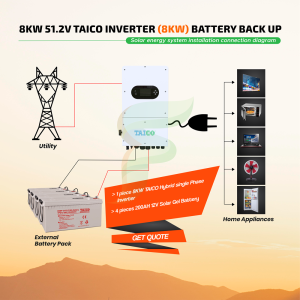
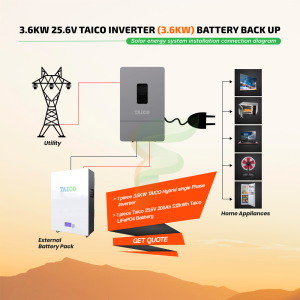
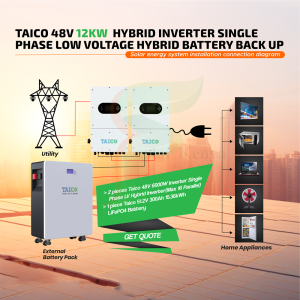
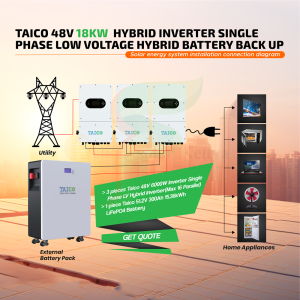
- Inverter Selection: The inverter is a crucial component that converts the direct current (DC) electricity generated by the solar panels into alternating current (AC) electricity, which is used in your home or business.
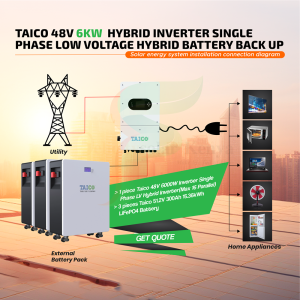
- Battery Storage (Optional): If you want to store excess energy for use during the night or on cloudy days, your installer will recommend an appropriate battery storage system (such as lithium-ion or LiFePO4 batteries).
- Mounting System: The mounting system ensures the panels are securely attached to your roof or ground-mounted system.
Once the design is finalized, you will receive a detailed proposal that includes the estimated costs of the solar panel installation project, including equipment, labor, and any necessary permits or approvals.
3. Obtaining Necessary Permits
Before proceeding with solar panel installation, it’s important to ensure that all permits and approvals are in place. In Kenya, the Energy and Petroleum Regulatory Authority (EPRA) regulates energy systems. If you’re installing a grid-tied system, you may need to register your installation with EPRA.
Some local authorities may also require building permits, particularly if you’re installing on a commercial or large residential property.
Step 4: Procurement of Equipment
Once permits are obtained, your installer will procure the necessary equipment for your solar panel installation. This includes:
- Solar Panels: High-efficiency solar panels that suit your energy requirements.
- Inverter: A high-quality inverter that can handle the power output from your panels.
- Mounting System: The hardware needed to secure the panels to your roof or ground.
- Batteries (Optional): If you’ve opted for energy storage, the installer will acquire the appropriate batteries to store your excess energy.
- Electrical Wiring and Other Components: The necessary cables, junction boxes, and connectors to link the system components.
At Taico Power Kenya, we offer a wide range of high-quality solar equipment to ensure the success of your solar panel installation project.
Step 5: Installation of the Solar Panels
This is when the panels are physically installed on your roof or on the ground. The installation team will:
- Install the Mounting System: The mounting system is carefully attached to your roof, ensuring it is sturdy and secure.
- Mount the Panels: Solar panels are mounted onto the rails or frames of the system.
- Wiring the System: The panels are then wired to the inverter, which converts DC electricity to AC electricity for use in your home or business.
- Connect to the Electrical System: The inverter is connected to your building’s electrical panel so that the energy generated can be used to power your appliances.
Depending on the size and complexity of the system, the installation process usually takes 1 to 3 days.
Step 6: System Testing and Commissioning
Once the panels and electrical components are installed, the system will undergo testing to ensure everything is functioning properly. The installer will check:
- Electrical Connections: Ensuring all wiring is properly connected and there are no faults or short circuits.
- Inverter Functionality: Verifying that the inverter is converting the DC power from the panels into AC power.
- Battery Storage (If Applicable): Testing the battery system to ensure it is charging and discharging correctly.
- System Performance: The overall performance of the system is tested to ensure that it is producing the expected amount of electricity.
After testing, the system is formally commissioned, and your solar panel installation is complete.
Step 7: Monitoring and Maintenance
Once your solar system is up and running, it’s important to monitor its performance to ensure that it continues to operate efficiently. Many modern solar systems come with monitoring systems that allow you to track energy production, usage, and system health via an app or online dashboard.
Maintenance is minimal, but you should:
- Clean the Panels: Periodically clean the panels to remove dust, dirt, and debris that can block sunlight and reduce efficiency.
- Inspect the System: Have the system inspected annually to ensure that all components are functioning properly.
- Check Battery Health: If you have a battery storage system, ensure that it is properly maintained and remains in good condition.
Factors to Consider Before Solar Panel Installation
When planning solar panel installation, consider the following factors to ensure you make the right choice for your energy needs:
1. Energy Consumption
Calculate your average monthly energy consumption to determine the appropriate size of the solar system. Your energy bill, usage patterns, and home or business size will influence the amount of solar power you need to generate.
2. Roof Type and Condition
The type and condition of your roof are critical for solar panel installation. A strong, stable roof is required to support the panels. If your roof is old or in poor condition, it might need repairs before installation.
3. Budget
While solar panel installation can save money in the long term, there is an initial investment. The total cost depends on the size of the system, type of panels, and complexity of the installation. In Kenya, government incentives and tax exemptions may help lower the upfront cost.
4. System Type: Grid-Tied vs. Off-Grid
Choose between a grid-tied system (which is connected to the national grid) or an off-grid system (which operates independently). Off-grid systems require batteries for energy storage, while grid-tied systems can draw power from the grid when solar power is insufficient.
5. Maintenance and Warranty
Solar panels require minimal maintenance, but periodic cleaning and inspections are necessary to ensure optimal performance. Choose a system with a good warranty (usually 10-25 years) for peace of mind.
Why Opt for Solar Panel Installation in Kenya?
Kenya is blessed with abundant sunshine throughout the year, making it an ideal location for solar power generation. As more people move towards renewable energy solutions, solar panel installation is quickly becoming the go-to option for both residential and commercial users.
Here are some key reasons to consider solar panel installation in Kenya:
1. Abundant Solar Energy Resources
Kenya experiences significant sunshine, especially in regions like Nairobi, Mombasa, and Turkana. This makes solar energy a viable and reliable power source for most parts of the country.
2. Reduced Electricity Costs
Electricity costs in Kenya are rising, and solar panel installation provides a cost-effective solution. With solar panels, you can significantly reduce or even eliminate your electricity bill, depending on the size of the system and your energy needs.
3. Energy Independence
With solar panel installation, you can reduce your reliance on the national grid, especially in rural areas where power outages are frequent or access to grid power is limited.
4. Eco-Friendly Power Source
Solar power is clean, renewable, and reduces your carbon footprint. By choosing solar panel installation, you’re contributing to a greener environment and helping to combat climate change.
5. Long-Term Investment
Solar panel systems are durable, with most having lifespans of 20-25 years. Over time, the savings from reduced energy bills make solar energy a smart long-term investment.




Conclusion
Solar panel installation is a reliable, cost-effective, and environmentally friendly way to generate clean energy in Kenya. Whether you’re installing a small system for your home or a larger setup for your business, following the proper steps is crucial to ensuring that the system works efficiently and reliably.
By partnering with experienced professionals like Taico Power Kenya, you can be confident that your solar panel installation will be completed to the highest standards. We provide high-quality products, to ensure that your solar system delivers long-term benefits.
If you’re ready to take control of your energy future with solar panel installation, contact Taico Power Kenya today and get started on your journey to clean, affordable, and sustainable energy.