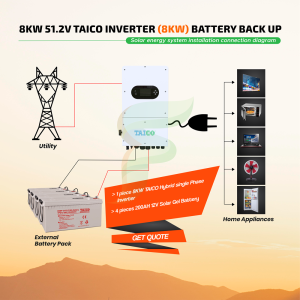
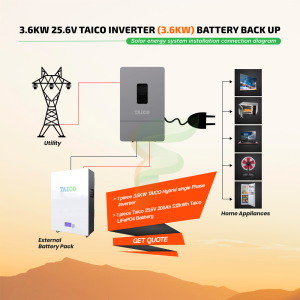
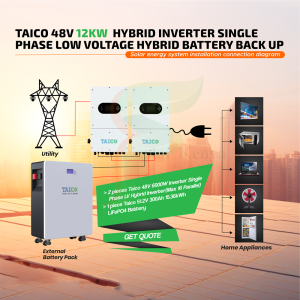
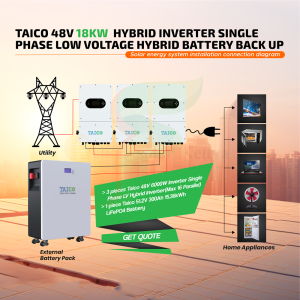
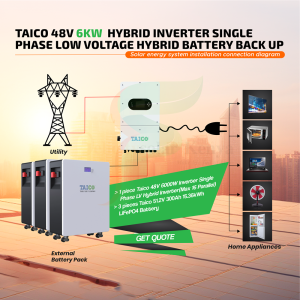
Energy storage systems (ESS) are technologies that store energy for later use. They help to capture excess energy generated during times of low demand or high production, and then release that energy when demand is high or generation is low. In the context of renewable energy, ESS are especially important for smoothing out the intermittency of solar and wind energy, ensuring a reliable and stable energy supply even when the sun isn’t shining or the wind isn’t blowing.
Energy storage systems can be installed for a variety of purposes, including for residential, commercial, and industrial use. ESS come in several forms, each with different characteristics, but the core function remains the same: storing energy for later use.
Why Are Energy Storage Systems Important in Kenya?
Kenya is increasingly embracing renewable energy sources like solar power to meet its growing energy demand. However, challenges remain, such as power outages, grid instability, and the inability to store energy efficiently for use at night or during cloudy days. This is where energy storage systems come in.
Key Benefits of Energy Storage Systems in Kenya:
- Reliability and Stability: Power outages are common in Kenya, especially in rural and remote areas. Energy storage systems can help mitigate these interruptions by providing a backup power source when the grid fails.
- Maximizing Solar Energy Use: Solar energy is abundant in Kenya, but its intermittent nature means that energy generation only happens during daylight hours. ESS allows homeowners and businesses to store excess energy during the day for use at night or on cloudy days.
- Cost Savings: By using energy storage, users can reduce their dependence on the grid, leading to lower electricity bills. Excess energy stored during the day can be used during peak hours, when grid electricity is more expensive.
- Grid Independence: Energy storage systems help both residential and commercial users reduce their dependence on the national grid, especially in off-grid areas where electricity access is limited.
- Support for Clean Energy Transition: As Kenya continues to invest in renewable energy sources, ESS plays a crucial role in supporting this transition by ensuring that clean energy can be stored and used efficiently, reducing reliance on fossil fuels.

Types of Energy Storage Systems (ESS)
There are several types of energy storage systems, each suited for different applications. Below are the most common types:
1. Lithium-Ion Batteries (Li-ion)
Lithium-ion batteries are the most popular choice for energy storage systems due to their high energy density, long lifespan, and efficiency. These batteries are commonly used in residential solar setups and larger-scale commercial applications.
- Advantages: Long life cycle (up to 10 years), high efficiency, fast charging times, compact design.
- Applications: Residential solar systems, off-grid solar systems, backup power for businesses.
2. Lead-Acid Batteries
Lead-acid batteries are the traditional energy storage technology, used in many older systems. While they are less expensive than lithium-ion batteries, they have a shorter lifespan and lower efficiency.
- Advantages: Lower upfront costs, widely available.
- Disadvantages: Shorter lifespan, lower efficiency, heavier and bulkier than lithium-ion batteries.
- Applications: Small-scale residential systems, backup power for small businesses.
3. Flow Batteries
Flow batteries are a newer type of energy storage system that use two liquid electrolytes to store energy. They are more scalable and have a longer lifespan than traditional batteries, but are currently less common due to higher upfront costs.
- Advantages: Very long cycle life, scalable for larger applications, no risk of overheating.
- Disadvantages: Higher upfront costs, complex installation.
- Applications: Large-scale commercial and industrial energy storage, grid applications.
4. Compressed Air Energy Storage (CAES)
In CAES systems, air is compressed and stored in underground caverns or tanks during periods of low energy demand. When demand is high, the compressed air is released and used to generate electricity.
- Advantages: Long lifespan, scalable for large-scale applications.
- Disadvantages: Requires specific geological conditions, expensive infrastructure.
- Applications: Utility-scale energy storage, grid stabilization.
5. Thermal Energy Storage
Thermal energy storage systems store heat or cold for later use. These systems are typically used to store heat generated by solar thermal plants or excess electricity used to generate cool air or water.
- Advantages: Can be used for both heating and cooling applications, cost-effective for certain applications.
- Disadvantages: Limited to specific use cases, lower efficiency compared to battery systems.
- Applications: Industrial applications, commercial buildings, district heating systems.
How Do Energy Storage Systems Work?
Energy storage systems generally work by storing excess electricity in a medium (battery, compressed air, thermal, etc.) during times of low demand or surplus production, and then discharging the energy when it’s needed. Here’s how it typically works:
- Charging Phase: During times of high solar generation (usually in the middle of the day), energy from the solar panels is used to charge the ESS. This can either be used immediately (direct consumption) or stored for later use.
- Storage Phase: The energy is stored in the ESS, typically in batteries or other mediums, and held for later use when there is insufficient generation or high demand.
- Discharge Phase: When energy demand peaks or solar generation is not available (e.g., during the night or cloudy periods), the energy stored in the ESS is released and used to power the home, business, or facility.

Key Factors to Consider When Choosing an Energy Storage System
Choosing the right energy storage system for your needs depends on several factors. Here’s a list of key considerations:
- Capacity: The size of the energy storage system (measured in kilowatt-hours, kWh) determines how much energy can be stored. A larger capacity will allow you to store more energy for use during peak demand periods.
- Efficiency: The efficiency of an ESS is important as it affects how much energy is lost during the charging and discharging cycles. High-efficiency systems will help you maximize your savings and energy independence.
- Cycle Life: The cycle life refers to the number of charge/discharge cycles a battery can undergo before its capacity significantly decreases. Look for a system with a long cycle life for better return on investment.
- Cost: Energy storage systems can vary significantly in cost depending on the type of technology and capacity. Lithium-ion batteries tend to be more expensive upfront, but they offer better efficiency and longer lifespans.
- Installation and Maintenance: The complexity of installation and ongoing maintenance requirements should be considered. While some ESS require professional installation, others can be relatively simple to install, especially for residential applications.
- Warranty: A good warranty is crucial for long-term peace of mind. Make sure the ESS comes with a solid warranty that covers the battery, inverter, and other critical components.
How to Install an Energy Storage System in Kenya
Installing an energy storage system in Kenya typically involves the following steps:
- Site Assessment: A qualified technician will assess your home or business to determine the ideal location for the system, as well as evaluate energy needs and solar potential.
- Choosing the Right System: Based on the assessment, the technician will recommend the right ESS for your needs, including battery size, type, and brand.
- Installation: The installation process involves mounting the batteries, connecting them to the solar panels (if applicable), and ensuring proper integration with your home or business electrical system.
- Commissioning and Testing: Once installed, the system will be tested to ensure it is functioning correctly. You may need to schedule follow-up maintenance checks to keep the system running at optimal efficiency.