
How to Choose the Right Solar Battery in Kenya: A Complete Guide
In Kenya, solar power is an increasingly popular and practical solution for both urban and rural energy needs. Whether you’re looking to install a solar power system for your home or business, or you’re considering an off-grid solar setup, one of the most important decisions you’ll make is how to choose the right solar battery in Kenya. The solar battery is essential for storing the energy generated by your solar panels so you can use it at night or during cloudy weather.
In this comprehensive guide, we’ll walk you through the key considerations for selecting the best solar battery for your needs in Kenya. By the end of this post, you’ll have a clearer understanding of how to choose the right solar battery in Kenya, ensuring that your solar system operates efficiently, cost-effectively, and reliably.
Key Considerations for How to Choose the Right Solar Battery in Kenya
When considering how to choose the right solar battery in Kenya, it’s important to evaluate various factors that impact the performance, lifespan, and efficiency of the battery. Here are the most crucial factors to take into account:
1. Determine Your Energy Needs
The first step in how to choose the right solar battery in Kenya is to assess your energy requirements. The battery should be sized to store enough energy to power your essential appliances when the sun isn’t shining.
- Calculate daily energy consumption: Review your electricity bills to determine how much energy you use daily (in kWh). Include appliances like lights, refrigerators, TVs, and other critical devices.
- Consider peak energy usage: Think about times when energy consumption is highest, such as in the evenings. This will help you gauge how much power you’ll need in your battery to ensure you don’t run out during those high-usage times.
For example, if your daily energy consumption is around 4 kWh, you should look for a solar battery with at least that capacity. It’s a good idea to add a buffer (10-20% extra capacity) to account for any fluctuations in energy use.
2. Battery Capacity: Size Matters
One of the key questions when determining how to choose the right solar battery in Kenya is how much energy storage you need. Battery capacity is measured in kilowatt-hours (kWh), which indicates how much energy the battery can store and provide.
- Match the battery size with your energy needs: A battery that is too small won’t be able to store enough energy to meet your daily needs, while a battery that is too large could be an inefficient investment.
- Consider autonomy: Autonomy refers to how long your battery can provide power without being recharged. If you want to run appliances overnight, you may need a larger capacity, especially in areas with longer periods of cloudy weather or rain.
3. Choose the Right Battery Type
When learning how to choose the right solar battery in Kenya, understanding the different types of solar batteries is essential. Each type has its advantages and disadvantages based on your energy requirements, budget, and preferences.
Lead-Acid Batteries
- Advantages: Lead-acid batteries are the most cost-effective solar storage option. They are widely available and have been used for decades.
- Disadvantages: They have a shorter lifespan (3–5 years) and lower efficiency. They also require regular maintenance (checking fluid levels) and can be bulky and heavy.
- Best For: Budget-conscious users with smaller energy needs or backup power requirements.
Lithium-Ion Batteries
- Advantages: Lithium-ion batteries are more efficient, with a lifespan of 10–15 years, and require little maintenance. They are compact and light, making them ideal for space-constrained installations.
- Disadvantages: They come with a higher upfront cost, but their long lifespan and efficiency may justify the higher price.
- Best For: Users who want a long-lasting, efficient solution with minimal maintenance. Ideal for larger homes, businesses, and those who want a long-term investment.
LiFePO4 (Lithium Iron Phosphate) Batteries
- Advantages: LiFePO4 batteries are even safer than traditional lithium-ion batteries and have a longer lifespan of up to 20 years. They are stable at high temperatures and do not degrade as quickly in hot climates.
- Disadvantages: These batteries are still relatively new, and their upfront costs can be quite high.
- Best For: Those who need long-lasting, eco-friendly, and safe storage solutions. They are perfect for off-grid systems and areas with extreme temperatures, making them a good choice for many parts of Kenya.
4. Battery Lifespan and Warranty
When thinking about how to choose the right solar battery in Kenya, consider the lifespan of the battery. A longer lifespan translates into fewer replacements and better value over time.
- Lead-acid batteries: Typically last 3–5 years.
- Lithium-ion and LiFePO4 batteries: Can last anywhere from 10 to 20 years.
- Warranty: Look for batteries with a good warranty. A strong warranty can provide peace of mind and protection in case your battery malfunctions.
It’s important to factor in the warranty terms and conditions to ensure you’re covered for the long term.
5. Efficiency and Energy Loss
The efficiency of a battery refers to how much energy it loses during the charging and discharging process. The higher the efficiency, the more usable energy you can store and retrieve.
- Lithium-ion batteries: Typically have an efficiency rate of 95% or more.
- Lead-acid batteries: Tend to have lower efficiency (about 80–85%).
- LiFePO4 batteries: Have high efficiency rates as well, comparable to lithium-ion batteries.
A more efficient battery allows you to make better use of the energy stored in the system, which is especially important when considering how to choose the right solar battery in Kenya for long-term savings.
6. Cost and Budget
The cost of the solar battery plays a significant role in your decision. How to choose the right solar battery in Kenya involves balancing the upfront cost with long-term savings. While lithium-ion and LiFePO4 batteries may have higher initial costs, their long lifespan, high efficiency, and minimal maintenance make them a worthwhile investment.
- Lead-acid batteries are cheaper upfront but may incur higher long-term costs due to their shorter lifespan and maintenance needs.
- Lithium-ion and LiFePO4 batteries are more expensive upfront but can save you money over time because of their efficiency and durability.
Take into account both initial investment and maintenance costs to determine the most cost-effective battery for your needs.
7. Temperature Tolerance
Kenya’s diverse climate, ranging from hot and dry regions to cooler highlands, means that battery performance can be affected by temperature. How to choose the right solar battery in Kenya should take into account the temperature of the region you live in.
- Lithium-ion and LiFePO4 batteries generally handle high temperatures better than traditional lead-acid batteries, which can degrade faster in extreme heat.
- Lead-acid batteries may need to be kept in well-ventilated areas to ensure they don’t overheat.
Choosing a battery with better temperature tolerance can prevent premature battery failure, especially in regions like Northern Kenya, which experiences higher temperatures.
8. Battery Brands and Manufacturers in Kenya
When purchasing a solar battery in Kenya, it’s essential to choose a reputable brand with a good track record of reliability and customer service. Some well-known brands available in Kenya include:
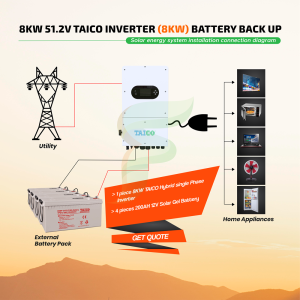
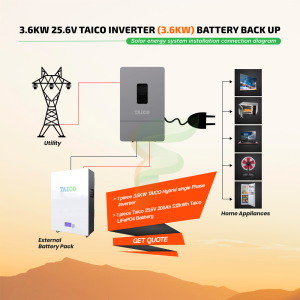
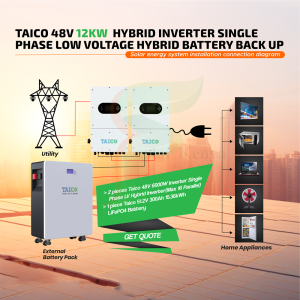
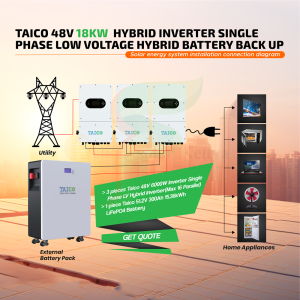
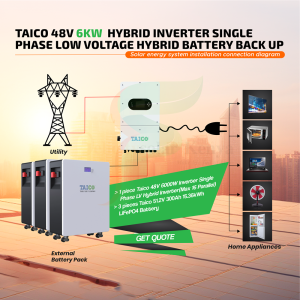
- Taico Power Kenya: Known for high-quality lithium-ion batteries and inverters, popular for both residential and commercial solar installations.
Why is It Important to Choose the Right Solar Battery in Kenya?
Kenya is known for its abundant sunshine, with an average of 5–7 hours of sunlight per day, making it a prime location for solar energy. Solar batteries allow you to store this energy for later use, especially during periods of low sunlight or power outages. However, choosing the right battery is key to maximizing your investment in solar energy. The right solar battery can help you:
- Ensure consistent power supply: Solar batteries store excess energy to power your home or business when the sun isn’t shining.
- Reduce reliance on the grid: If you’re off-grid or experience frequent power outages, a reliable solar battery can keep your home powered during downtime.
- Lower energy costs: By storing energy during the day, you can reduce your reliance on costly grid electricity.
However, with so many options available, it’s essential to understand how to choose the right solar battery in Kenya for your specific needs, budget, and lifestyle.




Conclusion: How to Choose the Right Solar Battery in Kenya
Choosing the right solar battery in Kenya involves understanding your energy needs, evaluating battery types, and balancing cost, efficiency, lifespan, and temperature tolerance. By considering the following factors:
- Your daily energy consumption and how much power you need to store.
- The battery capacity that matches your energy requirements.
- The type of battery (lead-acid, lithium-ion, LiFePO4, or saltwater) that best suits your needs.
- The battery lifespan, warranty, and maintenance requirements.
- The efficiency of the battery and the temperature tolerance for your specific climate.
With the right knowledge, you can make an informed decision that will ensure your solar power system is cost-effective, reliable, and capable of meeting your energy needs for many years to come. How to choose the right solar battery in Kenya ultimately boils down to making the best choice for your unique situation, and Taico Power Kenya is ready to provide you with the tools to do just that.